Modern Cloud Storage Icon: Visual Style & Uses
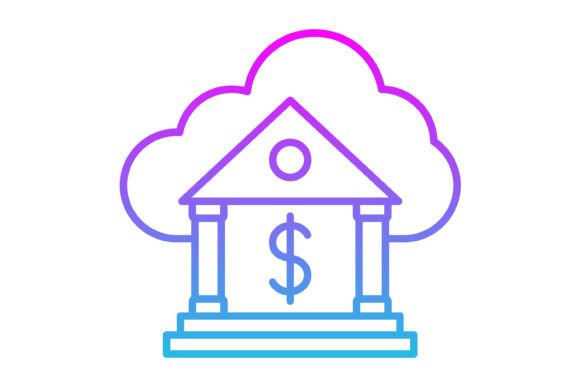
When you're building a digital presence, every visual element matters. The Cloud Storage Line Gradient Icon isn't just another symbol for files and servers. It's a versatile design asset that brings a specific personality to your projects. This icon set is built around a clean, line-based aesthetic with a subtle gradient, giving it a modern, professional, and approachable feel. It avoids the heavy, literal look of older cloud icons, instead offering a streamlined visual that communicates efficiency, security, and seamless digital flow. Its personality is one of quiet confidence—it's technical enough to be credible but friendly enough for consumer-facing applications.
Where This Icon Set Truly Shines
The true value of a resource like the Cloud Storage Line Gradient Icon lies in its adaptability. Because it's delivered in five different formats—AI, EPS, JPG, PNG, and SVG—it's ready for almost any context you can imagine. The PNG files with transparent backgrounds are perfect for layering in web design or social media graphics without worrying about clashing backgrounds. The SVG format is essential for responsive websites and mobile apps, ensuring the icon looks sharp on any screen, from a small phone to a 4K monitor. Meanwhile, the vector AI and EPS files are your go-to for large-scale print projects, like posters, brochures, or packaging design, where you need infinite scalability without quality loss.
Think about your current projects. For a startup's mobile app, these icons can form the basis of a cohesive UI kit, guiding users through file uploads and cloud sync features. For a marketing team, they can enhance presentations and infographics, making data about cloud services more digestible. Bloggers and content creators can use them to visually represent topics like digital storage, backup solutions, or SaaS products in their articles and thumbnails. Even in editorial design, such as a magazine layout about technology trends, a well-placed icon can break up text and add visual interest. The key is matching the icon's clean, technical style to the project's tone—it works best in contexts that value clarity, modernity, and professionalism.
Integrating Icons into Your Design Workflow
Simply having a great icon isn't enough; knowing how to use it effectively is what separates good design from great design. The Cloud Storage Line Gradient Icon is designed for maximum usability, but a thoughtful approach will yield the best results. First, consider visual hierarchy. Is the icon supporting text or standing alone? Its line weight and gradient are balanced to work well at various sizes, but you should test it at the intended display size. A common mistake is using icons that are too complex at small sizes, leading to a blurry or cluttered appearance. This set's clean lines mitigate that risk.
Next, think about font pairing if your icon is accompanying text. The icon's modern, geometric style pairs well with sans serif fonts that share a similar x-height and visual weight. For a tech blog, pairing it with a clean sans serif like Inter or Roboto creates a cohesive, contemporary look. If you're aiming for a slightly more editorial or premium feel, a serif font with strong, simple forms could work for contrast. The goal is harmony, not competition. The icon should complement the typography, not fight for attention.
Finally, leverage the file formats strategically. Use the SVG for your website's favicon and UI elements. Embed the JPG in a quick social media post. Open the AI file in Illustrator to change the gradient colors to match your brand identity perfectly before exporting it for print materials. This flexibility is what makes it a valuable part of your design assets library. Remember, the most effective use of any design element is one that feels intentional and integrated, not just decorative. By applying the Cloud Storage Line Gradient Icon with these considerations in mind, you elevate the professionalism and clarity of your communication, whether you're a designer, entrepreneur, or hobbyist crafting a personal project.