Unsecure Server Glyph Icon: Visualizing Digital Risk
Every designer, developer, and content creator eventually confronts the challenge of representing abstract digital concepts visually. How do you illustrate "security," "risk," or "server status" without resorting to overly technical or confusing imagery? This is where a well-designed icon becomes invaluable. The Unsecure Server Glyph Icon is a specific tool for this exact purpose. It’s not a font, but a vector symbol designed to communicate a clear, universal message about data vulnerability or an open, non-secured connection. Its strength lies in its immediate recognition, cutting through language barriers to signal caution or status in a single glance.
Anatomy of a Universal Warning
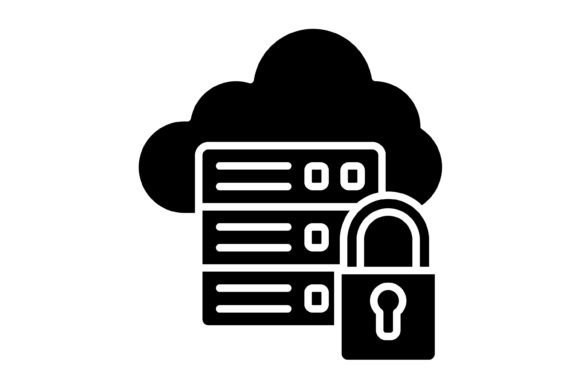
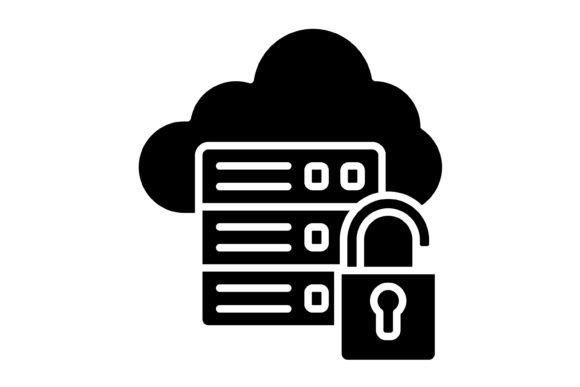
Visually, the Unsecure Server Glyph Icon typically combines two familiar symbols: the outline of a server rack or a hard drive, and a prominent warning element. This might be an open padlock, a red "X," or an exclamation mark integrated into the design. The style is clean, minimalist, and follows modern glyph icon conventions—using simple lines, geometric shapes, and a monochromatic palette to ensure it works at any size. Its personality is direct and functional. It doesn’t scream for attention with flashy colors; instead, it earns its place through clarity and purpose. The overall appeal is one of professionalism and utility. It’s a design asset built for communication first, which is precisely what makes it so effective in web design, mobile apps, and UI/UX projects.
Strategic Placement for Maximum Impact
Understanding where to use this icon is key to leveraging its power. Its applications span far beyond a simple "not secure" browser warning. Consider its role in brand identity for a cybersecurity firm; it can become a core part of their visual language, used in presentations, social media graphics, and even packaging design for security software. For a publisher or blogger writing about data privacy, it serves as a perfect illustrative element in an article, breaking up text and reinforcing the topic visually. Entrepreneurs creating presentation materials for investors can use it to highlight vulnerabilities in a competitor's model, adding a layer of visual storytelling to their pitch. The icon’s versatility across print and digital formats makes it a reliable tool for any creative professional needing to convey a specific technical or conceptual point.
Enhancing Communication and Hierarchy
In practice, the Unsecure Server Glyph Icon directly influences how information is processed. Placing it next to a form field on a website instantly sets user expectations about data handling, impacting readability and visual hierarchy. It draws the eye to critical information, ensuring warnings aren't overlooked. In a brand context, consistent use of such a specialized icon builds recognition. When audiences repeatedly see this symbol in association with your content about security, it strengthens your perceived expertise and professionalism. This consistency is a cornerstone of effective brand identity. However, its impact is nuanced. Overuse can desensitize your audience, while strategic placement can significantly boost engagement by demonstrating attention to detail and user safety.
Practical Implementation and Considerations
Choosing to incorporate the Unsecure Server Glyph Icon into your project involves a few practical steps. First, evaluate the project fit. Is the tone informational, cautionary, or technical? This icon suits serious, professional, and tech-oriented contexts better than playful or whimsical ones. Next, consider font pairing—not with typefaces, but with other icons. Ensure its line weight and style harmonize with your existing design assets for a cohesive look. The included file formats—AI, EPS, JPG, PNG, and SVG—are critical here. The SVG format is ideal for web design and mobile apps due to its scalability and small file size. The AI and EPS files allow for easy customization in vector editing software, letting you adjust colors or stroke weights to match your project's palette.
When testing, place the icon in its intended context at various sizes. Does it remain legible on a small mobile screen? Does it hold its detail when printed on a document? Since it’s a 100% vector icon, scaling is lossless, but visual clarity at small sizes should always be checked. Finally, for commercial projects, the licensing is straightforward. As a premium font asset (though an icon, the licensing principle is similar), its inclusion in a zip file typically comes with a license that permits use across mobile apps, websites, print, presentation, illustration, and templates. Always review the specific license to ensure it covers your intended use, especially for commercial products or large-scale distribution.
In the toolkit of a designer, marketer, or small business owner